
Last week saw the worst fires in years envelop Kilimanjaro. The heavy rains earlier in the year followed by a hot dry season and strong winds set the stage for the conflagration. Who or what started the fire is unclear but once underway the fires spread along the moorlands and into the eastern forest. Tanzanian firefighters and Kenyans assisting across the border have been battling hard to control the spread but it will likely take the approaching rains to douse the flames.
The moorlands of Kilimanjaro are shaped in part by periodic fires keeping dense growth in check but the size of this fire is larger than any I’ve seen in over half a century. The higher temperatures and winds expected with climate warming pose an even bigger risk if the extreme fires spread down into the forest.
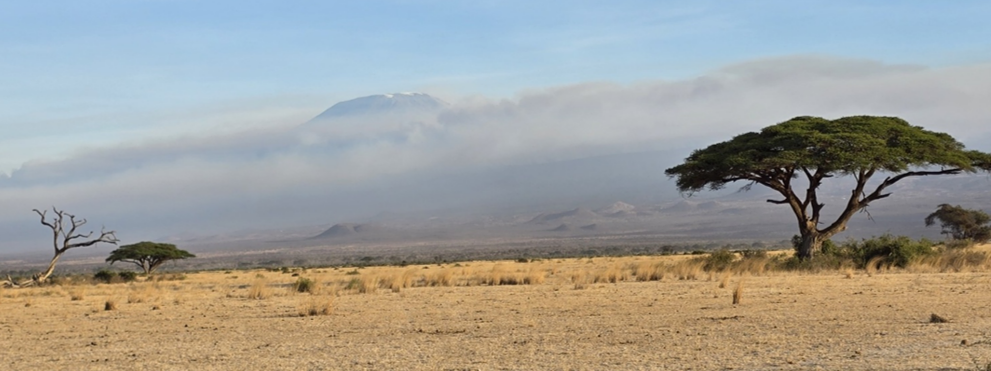
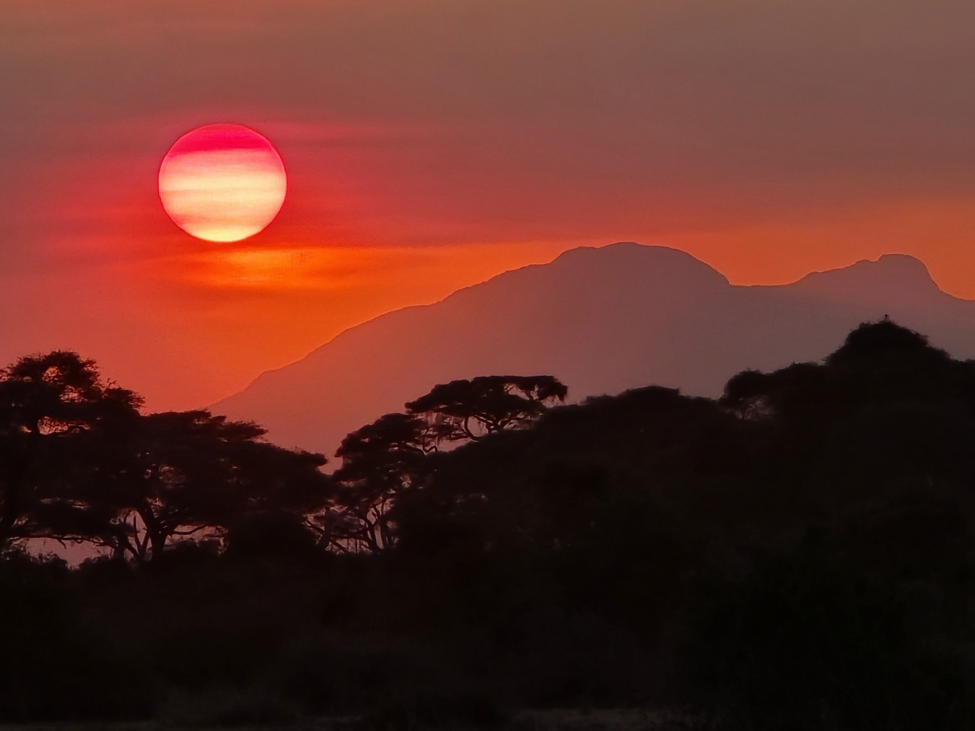
The fire will not affect the glaciers of Kilimanjaro which are receding fast due to global warming. I will report on the receding glaciers in another posting shortly. The increasing frequency and intensity of the Kilimanjaro fires expected on moorlands with higher temperatures and winds expected of global warming are, however likely to eat into the Kilimanjaro forests. A reduction in forest cover could spell lower rainfall for farmers on the lower slopes of the mountain, and increase runoff into the aquifers feeding the Amboseli swamps.
Last week saw the worst fires in years envelop Kilimanjaro. The heavy rains earlier in the year followed by a hot dry season and strong winds set the stage for the conflagration. Who or what started the fire is unclear but once underway the fires spread along the moorlands and into the eastern forest. Tanzanian firefighters and Kenyans assisting across the border have been battling hard to control the spread but it will likely take the approaching rains to douse the flames.
The moorlands of Kilimanjaro are shaped in part by periodic fires keeping dense growth in check but the size of this fire is larger than any I’ve seen in over half a century. The higher temperatures and winds expected with climate warming pose an even bigger risk if the extreme fires spread down into the forest.
The fire will not affect the glaciers of Kilimanjaro which are receding fast due to global warming. I will report on the receding glaciers in another posting shortly. The increasing frequency and intensity of the Kilimanjaro fires expected on moorlands with higher temperatures and winds expected of global warming are, however likely to eat into the Kilimanjaro forests. A reduction in forest cover could spell lower rainfall for farmers on the lower slopes of the mountain, and increase runoff into the aquifers feeding the Amboseli swamps.
Last week saw the worst fires in years envelop Kilimanjaro. The heavy rains earlier in the year followed by a hot dry season and strong winds set the stage for the conflagration. Who or what started the fire is unclear but once underway the fires spread along the moorlands and into the eastern forest. Tanzanian firefighters and Kenyans assisting across the border have been battling hard to control the spread but it will likely take the approaching rains to douse the flames.
The moorlands of Kilimanjaro are shaped in part by periodic fires keeping dense growth in check but the size of this fire is larger than any I’ve seen in over half a century. The higher temperatures and winds expected with climate warming pose an even bigger risk if the extreme fires spread down into the forest.
The fire will not affect the glaciers of Kilimanjaro which are receding fast due to global warming. I will report on the receding glaciers in another posting shortly. The increasing frequency and intensity of the Kilimanjaro fires expected on moorlands with higher temperatures and winds expected of global warming are, however likely to eat into the Kilimanjaro forests. A reduction in forest cover could spell lower rainfall for farmers on the lower slopes of the mountain, and increase runoff into the aquifers feeding the Amboseli swamps.
Last week saw the worst fires in years envelop Kilimanjaro. The heavy rains earlier in the year followed by a hot dry season and strong winds set the stage for the conflagration. Who or what started the fire is unclear but once underway the fires spread along the moorlands and into the eastern forest. Tanzanian firefighters and Kenyans assisting across the border have been battling hard to control the spread but it will likely take the approaching rains to douse the flames.
The moorlands of Kilimanjaro are shaped in part by periodic fires keeping dense growth in check but the size of this fire is larger than any I’ve seen in over half a century. The higher temperatures and winds expected with climate warming pose an even bigger risk if the extreme fires spread down into the forest.
The fire will not affect the glaciers of Kilimanjaro which are receding fast due to global warming. I will report on the receding glaciers in another posting shortly. The increasing frequency and intensity of the Kilimanjaro fires expected on moorlands with higher temperatures and winds expected of global warming are, however likely to eat into the Kilimanjaro forests. A reduction in forest cover could spell lower rainfall for farmers on the lower slopes of the mountain, and increase runoff into the aquifers feeding the Amboseli swamps.