Preamble
The outlook for livestock and wildlife in the short dry season normally stretching from January to the long rains in March-April is exceptionally good. The prolonged short rains from October through December 2024 were followed by heavy unseasonal rains in January. The heavy and extended rains produced a bumper crop of grasses which will see animals through the long rains in good body condition. Cattle milk yields have also rebounded with the extended rains.
Grazing pressure on the pastures is also unusually low for the short dry season due to wildlife and livestock moving out of the Amboseli dry season area.
Livestock market prices are at an all-time high due to the good body condition of livestock, a reduction in herds due to the 2022-2023 drought, and a high national demand for beef.
Families with small farms are also benefiting from the extended rains to intensify and expand crop production.
The outlook for wildlife is also excellent. The sustained body condition of zebra and wildebeest during the 2024 long-dry season should see heavy foaling and calving during the long rains. The extended migration of the wildlife through the short rains into the dry season has reduced predation levels and will result in a higher survival of newborns during the long rains.
On the downside, the extended wildlife migrations and resident herds of livestock due to permanent settlement around Amboseli has seen a sharp increase of predator attacks on cattle, sheep and goats around the outskirts of the national park.
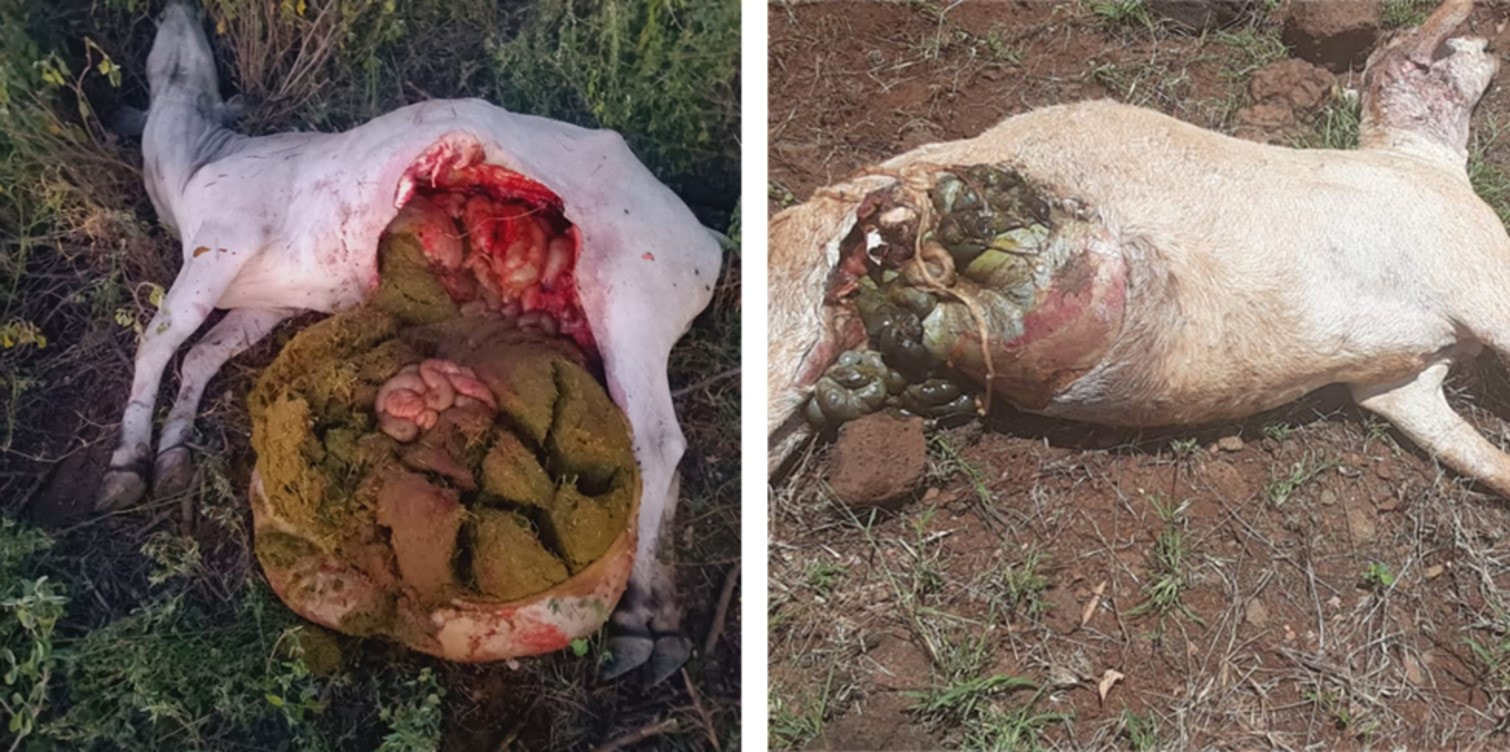
Livestock depredations by lions and hyenas have increased around Amboseli in January due to the absence of wildlife on migrations, leaving resident cattle, sheep and goat herds vulnerable to predation.
Download Full Article : Amboseli Outlook Report January 2025
Preamble
The outlook for livestock and wildlife in the short dry season normally stretching from January to the long rains in March-April is exceptionally good. The prolonged short rains from October through December 2024 were followed by heavy unseasonal rains in January. The heavy and extended rains produced a bumper crop of grasses which will see animals through the long rains in good body condition. Cattle milk yields have also rebounded with the extended rains.
Grazing pressure on the pastures is also unusually low for the short dry season due to wildlife and livestock moving out of the Amboseli dry season area.
Livestock market prices are at an all-time high due to the good body condition of livestock, a reduction in herds due to the 2022-2023 drought, and a high national demand for beef.
Families with small farms are also benefiting from the extended rains to intensify and expand crop production.
The outlook for wildlife is also excellent. The sustained body condition of zebra and wildebeest during the 2024 long-dry season should see heavy foaling and calving during the long rains. The extended migration of the wildlife through the short rains into the dry season has reduced predation levels and will result in a higher survival of newborns during the long rains.
On the downside, the extended wildlife migrations and resident herds of livestock due to permanent settlement around Amboseli has seen a sharp increase of predator attacks on cattle, sheep and goats around the outskirts of the national park.
Livestock depredations by lions and hyenas have increased around Amboseli in January due to the absence of wildlife on migrations, leaving resident cattle, sheep and goat herds vulnerable to predation.
Download Full Article : Amboseli Outlook Report January 2025
Preamble
The outlook for livestock and wildlife in the short dry season normally stretching from January to the long rains in March-April is exceptionally good. The prolonged short rains from October through December 2024 were followed by heavy unseasonal rains in January. The heavy and extended rains produced a bumper crop of grasses which will see animals through the long rains in good body condition. Cattle milk yields have also rebounded with the extended rains.
Grazing pressure on the pastures is also unusually low for the short dry season due to wildlife and livestock moving out of the Amboseli dry season area.
Livestock market prices are at an all-time high due to the good body condition of livestock, a reduction in herds due to the 2022-2023 drought, and a high national demand for beef.
Families with small farms are also benefiting from the extended rains to intensify and expand crop production.
The outlook for wildlife is also excellent. The sustained body condition of zebra and wildebeest during the 2024 long-dry season should see heavy foaling and calving during the long rains. The extended migration of the wildlife through the short rains into the dry season has reduced predation levels and will result in a higher survival of newborns during the long rains.
On the downside, the extended wildlife migrations and resident herds of livestock due to permanent settlement around Amboseli has seen a sharp increase of predator attacks on cattle, sheep and goats around the outskirts of the national park.
Livestock depredations by lions and hyenas have increased around Amboseli in January due to the absence of wildlife on migrations, leaving resident cattle, sheep and goat herds vulnerable to predation.
Download Full Article : Amboseli Outlook Report January 2025
Preamble
The outlook for livestock and wildlife in the short dry season normally stretching from January to the long rains in March-April is exceptionally good. The prolonged short rains from October through December 2024 were followed by heavy unseasonal rains in January. The heavy and extended rains produced a bumper crop of grasses which will see animals through the long rains in good body condition. Cattle milk yields have also rebounded with the extended rains.
Grazing pressure on the pastures is also unusually low for the short dry season due to wildlife and livestock moving out of the Amboseli dry season area.
Livestock market prices are at an all-time high due to the good body condition of livestock, a reduction in herds due to the 2022-2023 drought, and a high national demand for beef.
Families with small farms are also benefiting from the extended rains to intensify and expand crop production.
The outlook for wildlife is also excellent. The sustained body condition of zebra and wildebeest during the 2024 long-dry season should see heavy foaling and calving during the long rains. The extended migration of the wildlife through the short rains into the dry season has reduced predation levels and will result in a higher survival of newborns during the long rains.
On the downside, the extended wildlife migrations and resident herds of livestock due to permanent settlement around Amboseli has seen a sharp increase of predator attacks on cattle, sheep and goats around the outskirts of the national park.
Livestock depredations by lions and hyenas have increased around Amboseli in January due to the absence of wildlife on migrations, leaving resident cattle, sheep and goat herds vulnerable to predation.
Download Full Article : Amboseli Outlook Report January 2025