In a recent community meeting held at the Amboseli Ecosystem Trust offices in southern Kenya, a diverse assembly of experts from France, Poland, Portugal, Brazil, Columbia, Peru and Kenya together with local Maasai stakeholders gathered to explore the One Health approach through the multi-site application of open science in the creation of healthy environments involving local Communities (MOSAIC) project, funded by the European Union Horizon Europe program. Participants included professionals from various fields, such as human health, veterinary sciences, ecological modelling, geography, and computer science.
The Centres for Disease Control and Prevention (CDC) highlights the growing importance of the One Health approach, which integrates human, animal, and environmental health to address complex sustainability challenges (https://www.cdc.gov). The workshop aimed to introduce this holistic framework to local communities. Through artificial intelligence-inspired community games, it became evident that the Maasai have intuitively practiced One Health principles long before they were formalized, demonstrating their deep understanding of the links between pasture health, livestock, and human well-being.
The Maasai concept of eseriani, which embodies their holistic view of well-being, further illustrates their long-standing integration of environmental, animal, and human health. Their practices, such as recently embracing of early livestock sales to mitigate the impacts of extreme droughts and related diseases, showcase their adaptive strategies in response to environmental and mental stress. This integration is also reflected toponymically in place names like Kiserian in Kajiado County.
Central to the Maasai’s traditional practices are their organized grazing committees and herders’ forums, which play a crucial role in guiding pasture preservation. These community-led initiatives help manage rangelands sustainably and prevent overgrazing, demonstrating a proactive approach to maintaining ecosystem health. Additionally, Maasai women use their expertise during milking sessions to assess grass quality and livestock health. Evaluating milk production and monitoring animal body condition offer vital insights into pasture quality and help identify issues like tick infestations.
The Maasai practice of moving from place to place in search of pasture results in abandoned settlements that become nutrient-rich hotspots. These areas can last for many years, providing pasture for both livestock and wildlife. The settlement succession creates a rotational mosaic of green waves across the rangelands, helping to restore and maintain the health of degraded areas.
Traditional medicine plays a significant role in Maasai health practices, with the community using herbal remedies for both livestock and people. They seek modern medical intervention when symptoms persist, reflecting a comprehensive approach that combines traditional and contemporary methods.
During the meeting, the Maasai expressed growing concern over the disappearance of grass species with high nutritional value and medicinal plants. They are seeking explanations for these changes, hoping that the open science research from the MOSAIC project will address their concerns and provide solutions beyond the impacts of climate change and environmental degradation.
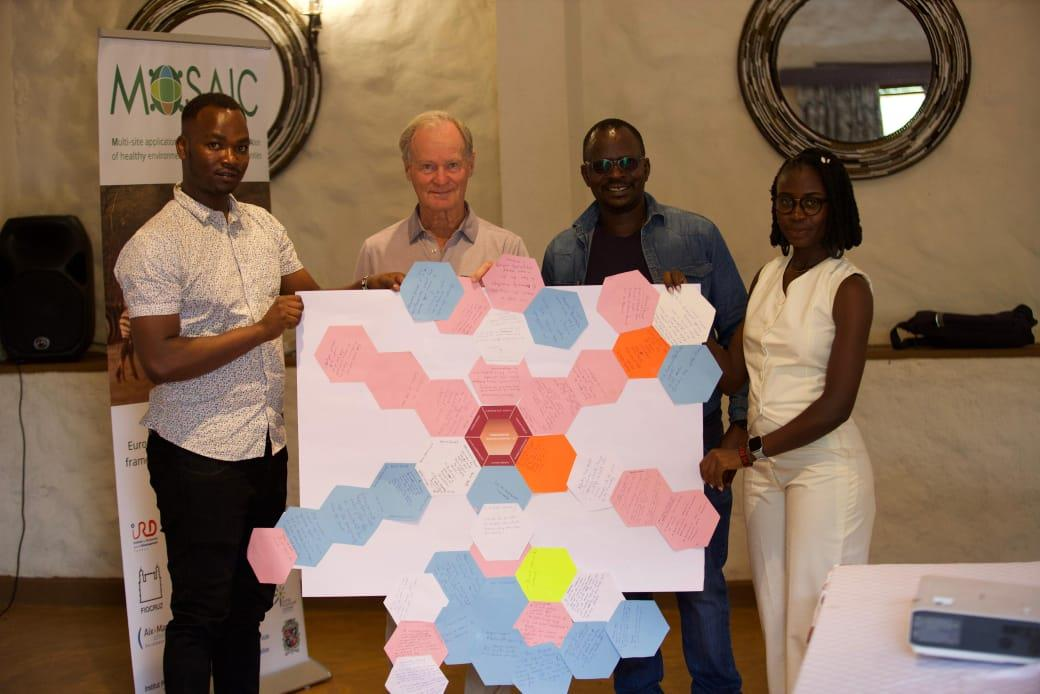
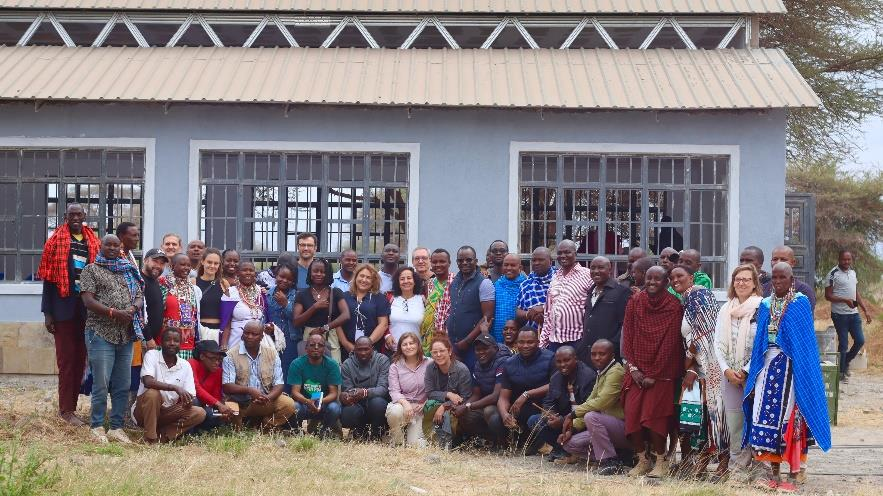
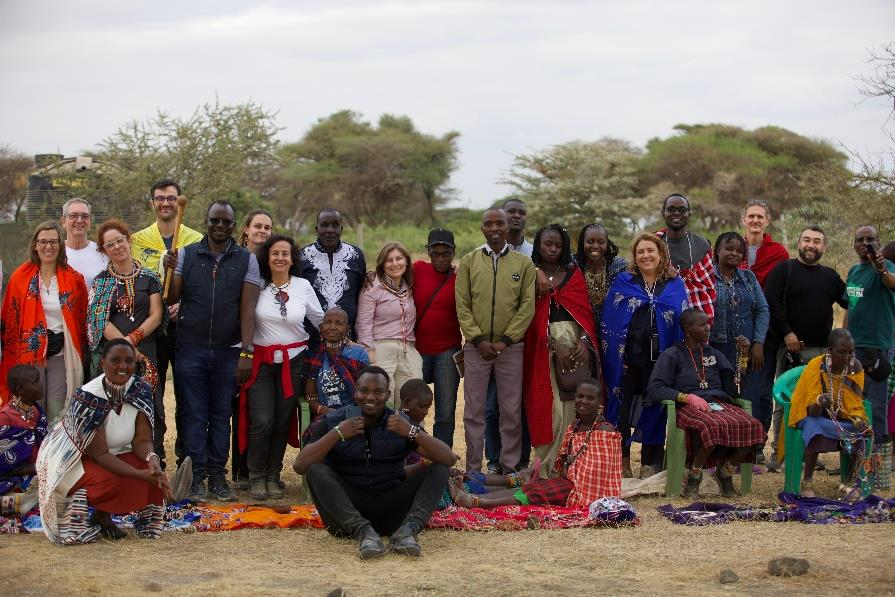
In a recent community meeting held at the Amboseli Ecosystem Trust offices in southern Kenya, a diverse assembly of experts from France, Poland, Portugal, Brazil, Columbia, Peru and Kenya together with local Maasai stakeholders gathered to explore the One Health approach through the multi-site application of open science in the creation of healthy environments involving local Communities (MOSAIC) project, funded by the European Union Horizon Europe program. Participants included professionals from various fields, such as human health, veterinary sciences, ecological modelling, geography, and computer science.
The Centres for Disease Control and Prevention (CDC) highlights the growing importance of the One Health approach, which integrates human, animal, and environmental health to address complex sustainability challenges (https://www.cdc.gov). The workshop aimed to introduce this holistic framework to local communities. Through artificial intelligence-inspired community games, it became evident that the Maasai have intuitively practiced One Health principles long before they were formalized, demonstrating their deep understanding of the links between pasture health, livestock, and human well-being.
The Maasai concept of eseriani, which embodies their holistic view of well-being, further illustrates their long-standing integration of environmental, animal, and human health. Their practices, such as recently embracing of early livestock sales to mitigate the impacts of extreme droughts and related diseases, showcase their adaptive strategies in response to environmental and mental stress. This integration is also reflected toponymically in place names like Kiserian in Kajiado County.
Central to the Maasai’s traditional practices are their organized grazing committees and herders’ forums, which play a crucial role in guiding pasture preservation. These community-led initiatives help manage rangelands sustainably and prevent overgrazing, demonstrating a proactive approach to maintaining ecosystem health. Additionally, Maasai women use their expertise during milking sessions to assess grass quality and livestock health. Evaluating milk production and monitoring animal body condition offer vital insights into pasture quality and help identify issues like tick infestations.
The Maasai practice of moving from place to place in search of pasture results in abandoned settlements that become nutrient-rich hotspots. These areas can last for many years, providing pasture for both livestock and wildlife. The settlement succession creates a rotational mosaic of green waves across the rangelands, helping to restore and maintain the health of degraded areas.
Traditional medicine plays a significant role in Maasai health practices, with the community using herbal remedies for both livestock and people. They seek modern medical intervention when symptoms persist, reflecting a comprehensive approach that combines traditional and contemporary methods.
During the meeting, the Maasai expressed growing concern over the disappearance of grass species with high nutritional value and medicinal plants. They are seeking explanations for these changes, hoping that the open science research from the MOSAIC project will address their concerns and provide solutions beyond the impacts of climate change and environmental degradation.
In a recent community meeting held at the Amboseli Ecosystem Trust offices in southern Kenya, a diverse assembly of experts from France, Poland, Portugal, Brazil, Columbia, Peru and Kenya together with local Maasai stakeholders gathered to explore the One Health approach through the multi-site application of open science in the creation of healthy environments involving local Communities (MOSAIC) project, funded by the European Union Horizon Europe program. Participants included professionals from various fields, such as human health, veterinary sciences, ecological modelling, geography, and computer science.
The Centres for Disease Control and Prevention (CDC) highlights the growing importance of the One Health approach, which integrates human, animal, and environmental health to address complex sustainability challenges (https://www.cdc.gov). The workshop aimed to introduce this holistic framework to local communities. Through artificial intelligence-inspired community games, it became evident that the Maasai have intuitively practiced One Health principles long before they were formalized, demonstrating their deep understanding of the links between pasture health, livestock, and human well-being.
The Maasai concept of eseriani, which embodies their holistic view of well-being, further illustrates their long-standing integration of environmental, animal, and human health. Their practices, such as recently embracing of early livestock sales to mitigate the impacts of extreme droughts and related diseases, showcase their adaptive strategies in response to environmental and mental stress. This integration is also reflected toponymically in place names like Kiserian in Kajiado County.
Central to the Maasai’s traditional practices are their organized grazing committees and herders’ forums, which play a crucial role in guiding pasture preservation. These community-led initiatives help manage rangelands sustainably and prevent overgrazing, demonstrating a proactive approach to maintaining ecosystem health. Additionally, Maasai women use their expertise during milking sessions to assess grass quality and livestock health. Evaluating milk production and monitoring animal body condition offer vital insights into pasture quality and help identify issues like tick infestations.
The Maasai practice of moving from place to place in search of pasture results in abandoned settlements that become nutrient-rich hotspots. These areas can last for many years, providing pasture for both livestock and wildlife. The settlement succession creates a rotational mosaic of green waves across the rangelands, helping to restore and maintain the health of degraded areas.
Traditional medicine plays a significant role in Maasai health practices, with the community using herbal remedies for both livestock and people. They seek modern medical intervention when symptoms persist, reflecting a comprehensive approach that combines traditional and contemporary methods.
During the meeting, the Maasai expressed growing concern over the disappearance of grass species with high nutritional value and medicinal plants. They are seeking explanations for these changes, hoping that the open science research from the MOSAIC project will address their concerns and provide solutions beyond the impacts of climate change and environmental degradation.
In a recent community meeting held at the Amboseli Ecosystem Trust offices in southern Kenya, a diverse assembly of experts from France, Poland, Portugal, Brazil, Columbia, Peru and Kenya together with local Maasai stakeholders gathered to explore the One Health approach through the multi-site application of open science in the creation of healthy environments involving local Communities (MOSAIC) project, funded by the European Union Horizon Europe program. Participants included professionals from various fields, such as human health, veterinary sciences, ecological modelling, geography, and computer science.
The Centres for Disease Control and Prevention (CDC) highlights the growing importance of the One Health approach, which integrates human, animal, and environmental health to address complex sustainability challenges (https://www.cdc.gov). The workshop aimed to introduce this holistic framework to local communities. Through artificial intelligence-inspired community games, it became evident that the Maasai have intuitively practiced One Health principles long before they were formalized, demonstrating their deep understanding of the links between pasture health, livestock, and human well-being.
The Maasai concept of eseriani, which embodies their holistic view of well-being, further illustrates their long-standing integration of environmental, animal, and human health. Their practices, such as recently embracing of early livestock sales to mitigate the impacts of extreme droughts and related diseases, showcase their adaptive strategies in response to environmental and mental stress. This integration is also reflected toponymically in place names like Kiserian in Kajiado County.
Central to the Maasai’s traditional practices are their organized grazing committees and herders’ forums, which play a crucial role in guiding pasture preservation. These community-led initiatives help manage rangelands sustainably and prevent overgrazing, demonstrating a proactive approach to maintaining ecosystem health. Additionally, Maasai women use their expertise during milking sessions to assess grass quality and livestock health. Evaluating milk production and monitoring animal body condition offer vital insights into pasture quality and help identify issues like tick infestations.
The Maasai practice of moving from place to place in search of pasture results in abandoned settlements that become nutrient-rich hotspots. These areas can last for many years, providing pasture for both livestock and wildlife. The settlement succession creates a rotational mosaic of green waves across the rangelands, helping to restore and maintain the health of degraded areas.
Traditional medicine plays a significant role in Maasai health practices, with the community using herbal remedies for both livestock and people. They seek modern medical intervention when symptoms persist, reflecting a comprehensive approach that combines traditional and contemporary methods.
During the meeting, the Maasai expressed growing concern over the disappearance of grass species with high nutritional value and medicinal plants. They are seeking explanations for these changes, hoping that the open science research from the MOSAIC project will address their concerns and provide solutions beyond the impacts of climate change and environmental degradation.